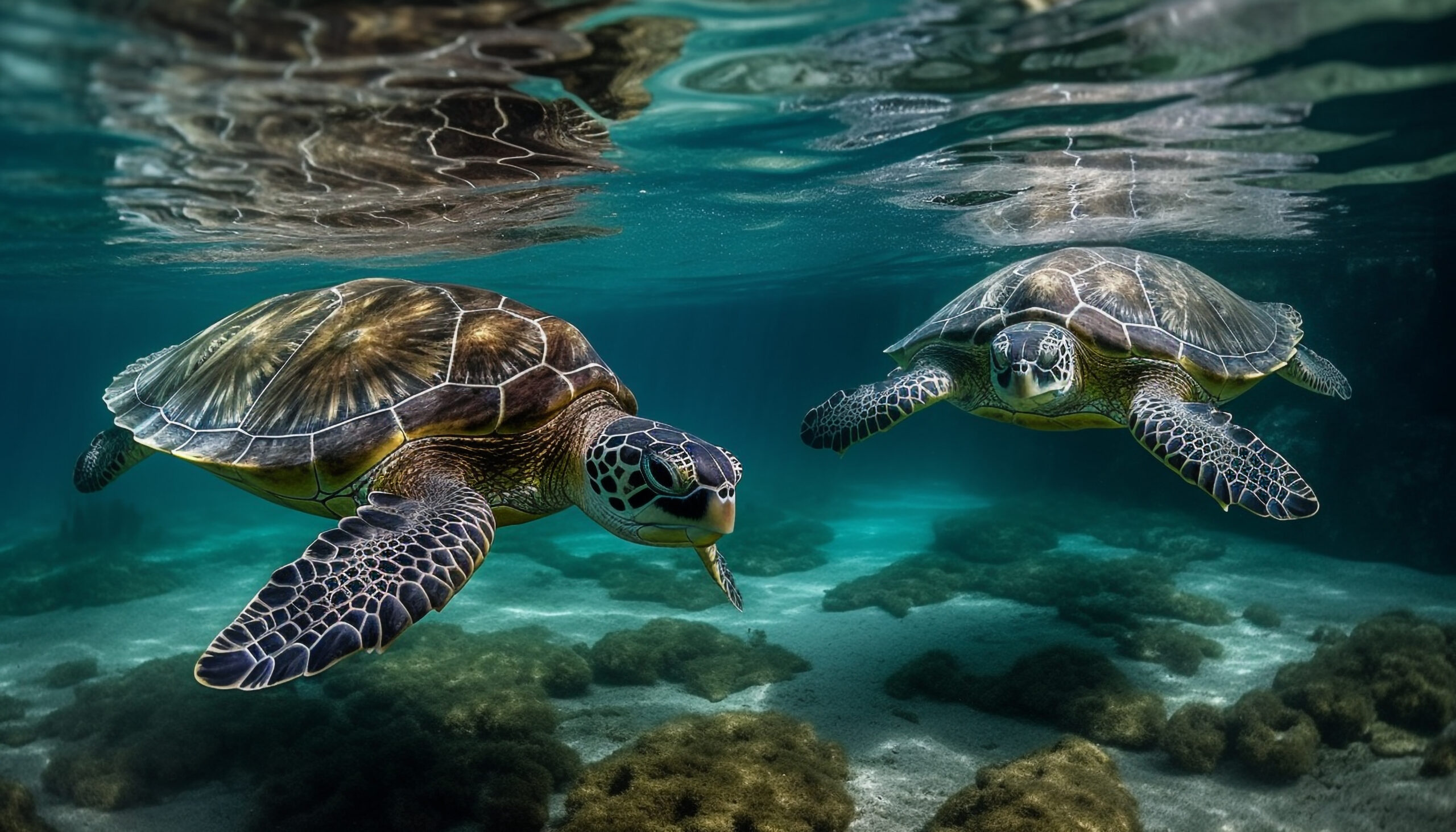
Introduction
Turtles are reptiles that are found in oceans, forests, grasslands, and freshwater environments. Turtles’ diet depends on their species, age, and habitat. Some of the turtles eat plants, while others eat a combination of plants and small animals. There are many types of species of turtles, and each one of them has different characteristics.
We need to understand that turtles’ diet helps us learn more about their behavior, how they survive, and the role of turtles in their ecosystem. So, in this article, we will find and explore the different foods turtles eat, what are their feeding habits, their dietary needs, and how their diet changes throughout their lives.
What do turtles eat? understanding their diet
Turtles are mostly omnivorous, which means they can eat both plants and animals. However, their diet can vary depending on their species, age, and habitat. Some of the foods turtles eat include aquatic plants, fruits, leafy greens, crustaceans, fish, insects, worms, snails, slugs, berries, vegetables, algae, mollusks, pellets, carrion, and flowers.
Pet turtles commonly eat animal protein, leafy greens, vegetables, and sometimes fruits, depending on their species. Aquatic turtles usually eat and swallow their food in water, which makes feeding easier for them. Box turtles, on the other hand, usually feed on land and can eat a mixture of plant-based and animal-based foods.
It is important to remember that every turtle species has different dietary needs. Their food choices and feeding habits depend on their natural habitat, age, and lifestyle. Therefore, there is no single feeding plan that is suitable for every type of turtle.
Learn more about the Komodo dragon, a fascinating giant reptile and powerful island predator. https://animalstudieslab.com/komodo-dragon-the-giant-predator-that-rules-its-island-animal-studies-lab/
Types of Turtles
As we have read above, every turtle species has a different diet depending on its habitat and lifestyle. Now, let us understand the different turtle species in more detail. There are many types of turtles found all around the world, and each species has its own habitat, physical features, and behavior. Some turtles live mainly on land, while others survive in water. The different types of turtles include sea turtles, freshwater turtles, box turtles, snapping turtles, soft-shelled turtles, painted turtles, and musk and mud turtles. Each type has unique characteristics and feeding habits that help it survive in its natural environment.
Sea Turtle
As we have read above, every turtle species has a different diet depending on its habitat and lifestyle. Now, let us understand the different turtle species in more detail. There are many types of turtles found all around the world, and each species has its own habitat, physical features, and behavior. Some turtles live mainly on land, while others survive in water. The different types of turtles include sea turtles, freshwater turtles, box turtles, snapping turtles, soft-shelled turtles, painted turtles, and musk and mud turtles. Each type has unique characteristics and feeding habits that help it survive in its natural environment.
Freshwater Turtles
Freshwater turtles live in ponds, rivers, lakes, and other freshwater habitats. There are many different species of freshwater turtles, and most of them are good swimmers. Their diet usually consists of a mixture of aquatic plants, insects, small fish, and other small animals. Their feeding habits can vary depending on the species and the environment in which they live.
Box Turtles
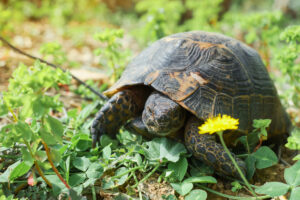
Box turtles mainly live on land and can be found in forests, grasslands, and other terrestrial habitats. They eat a mixture of plants, insects, fruits, worms, and other small animals. Box turtles have a specialized high-domed shell, which provides strong protection. When they feel threatened, they can pull their head and limbs inside their shell to protect themselves from predators.
Snapping turtles
Snapping turtles are freshwater turtles that are commonly found in slow-moving waters, such as ponds, lakes, marshes, and quiet areas of rivers. They eat a variety of foods, including fish, insects, amphibians, and other small animals. Snapping turtles are especially known for their strong jaws and powerful bite, which they use to catch prey and defend themselves when threatened.
Softshell Turtles
Soft-shelled turtles are mainly found in freshwater habitats, such as rivers, lakes, and ponds. Unlike many other turtles, they have a soft, flexible, leathery shell. Their body shape and shell are well adapted for swimming, allowing them to move quickly through the water. Soft-shelled turtles often spend much of their time resting or hiding on muddy or sandy bottoms.
Painted Turtles
Painted turtles are freshwater turtles with an omnivorous diet, which means they can eat both plants and animals. They may feed on aquatic plants, insects, small fish, and other small aquatic animals. They are also known for the bright markings on their shells and skin, which make them easily recognizable and distinguish them from many other turtle species.
Musk and Mud Turtles
Mud turtles are small turtles that are commonly found in freshwater environments, including shallow streams, ponds, and muddy areas. areas. They eat a variety of foods, including mollusks, worms, insects, and other small aquatic organisms. Their small body size allows them to move easily through shallow water and muddy areas, where they search for food and shelter.
Turtle habitat and distribution
Turtles choose their habitat according to their needs, such as food, shelter, water, suitable living conditions, survival, and reproduction. However, their habitats are increasingly affected by habitat destruction, pollution, human activities, and climate change. Temperature also plays an important role, and suitable nesting areas can affect where turtles live. As we have read above in the article, turtles are found in many parts of the world. They can be found in rivers, lakes, ponds, wetlands, and coastal areas. Some turtles spend most of their time in water, while other species spend most of their time on land. Therefore, both aquatic and land turtles choose their habitats according to their needs and the conditions required for their survival.
For more fascinating insights into birds, explore our article on how woodpeckers. https://animalstudieslab.com/animal-study-lab-how-do-woodpeckers-peck-trees-without-brain-damage/
Turtle reproduction and life cycle
Water and sea turtles reproduce in similar ways. Wherever they mate, they eventually lay their eggs, but the major difference is where they lay their eggs and how they prepare their nests.
If we talk about land turtles, such as box turtles, they mate on land. After reproduction, female turtles search for suitable soil in a sheltered area. They then dig a nest using their hind legs, lay their eggs, and cover them with soil. The eggs develop inside the nest, and after hatching, the young turtles begin their life.
Now, if we talk about aquatic turtles, they reproduce in water or near the water. After reproduction, female turtles usually leave the water and travel to land to lay their eggs. They dig a nest in sand or soil, lay their eggs, and cover them before returning to the water. After the eggs hatch, the young turtles of many species make their way toward the water.
Sea turtles are also very interesting to learn about. After reproduction, female sea turtles return to sandy beaches to lay their eggs. They dig nests, lay and cover their eggs, and then return to the sea.
Threats and conservation
Both land and water turtles face several threats from human activities, pollution, hunting, climate change, and habitat destruction. These threats can affect their populations by reducing their habitats, food availability, and chances of reproduction. Therefore, proper conservation methods are important to protect turtles and their natural environments.
If we talk about land turtles, some of the major threats they face include habitat loss, illegal collection and trade, predators, climate change, and road accidents. Some turtles are also collected and sold as pets. When turtles cross roads, they can suffer serious injuries or even die after being hit by vehicles. Changes in temperature and rainfall can also disturb their habitats and affect the availability of food. When food becomes less available, their chances of reproduction may also decrease.
To conserve land turtles, we should protect forests, grasslands, and turtle nesting areas. Illegal trade and hunting of turtles should also be stopped. Creating protected areas can provide turtles with safe places to live, find food, and reproduce. These conservation efforts can help maintain healthy turtle populations and protect them from further decline.
Water turtles also face a lot of threats, like water pollution, plastic waste, climate change, fishing activities, hunting, illegal trade, and habitat disruption, which can destroy their populations. These are some of the factors that can affect their populations. Turtles can accidentally get trapped when people are fishing with fishing equipment. Rising temperatures and changes in water conditions can also affect turtles. Sea levels sometimes become higher, which can affect turtles a lot. They are also sold illegally. These are some of the threats that water turtles face.
To save and conserve water turtles, we should start protecting rivers, lakes, and oceans, and we should keep them clean. We should stop throwing plastic into oceans and other water bodies. We should also create safe areas in the ocean or other water bodies so that turtles do not get trapped in fishing equipment. We should stop selling turtles illegally. These are some of the conservation methods that we can apply to save water turtles.
For more information on turtle conservation, explore https://iucn-tftsg.org/
Conclusion
Turtles are one of the most interesting reptiles. Sea turtles, which live in oceans, and land turtles, which live in forests and grasslands, have unique physical features, diets, and ways of survival. Both land and sea turtle species have different ways of reproducing. They also face serious threats in their own environments, and we should preserve them as much as we can. By understanding turtles and their role in nature, we should promote their protection and make sure that they continue to survive for future generations. We can find turtles all over the world, and we should help protect them and allow them to continue their lives in their natural environments.
FAQS
1. How long do turtles live?
The turtle’s lifespan is around 10 to over 150 years depending on the species. Small water species live up to 50 years, and sea turtles live up to 100 years.
2. What is the difference between a turtle and a tortoise?
One of the major differences between both of them is that the tortoise survives on land and the turtle survives in water. Tortoises have hard shells, and turtles have soft shells.
3. How do turtles protect themselves?
Turtles have hard shells, which help them to protect themselves from predators. Some of the turtle species pull their heads and legs inside the shell for protection.
4. What do turtles eat?
Turtles eat both plants and animals. It depends on their age and species. Some of the common food of turtles are earthworms, mustard greens, small feeder fish, and mealworms.
5. Why are turtles important to ecosystems?
Turtles play an important role in maintaining the balance of ecosystems. Their eggs and hatchlings provide a seasonal food source for many predators. Freshwater turtles help keep ponds and rivers clean by feeding on dead plants and animals. Sea turtles also help maintain the balance of the ocean food web by eating jellyfish. These are some of the important ways turtles contribute to the health and balance of their ecosystems.
